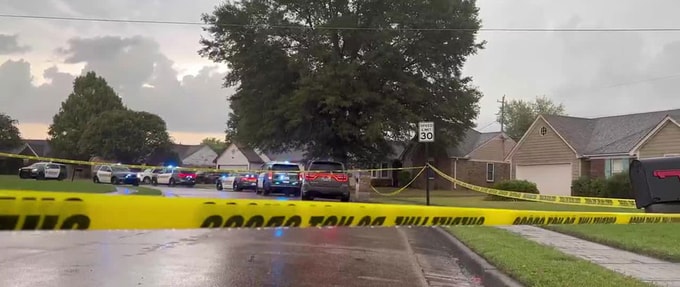
In 2008, Memphis had one of the highest violent crime rates in the country. The FBI statistics placed the city second in the nation for violent crimes for the second consecutive year. Regardless, the number of victims in this one incident was shocking and caught the community completely off guard.
On the afternoon of March 3, 2008, Memphis police arrived at 722 Lester Street in the city’s Binghampton neighborhood to conduct a welfare check. What they found inside would become one of the most notorious crime scenes in Memphis history.
Thirty-year-old Cecil Dotson lived in the small rental home with his girlfriend, 27-year-old Marissa Williams, and their five children. The family had been living there for about six months.
Inside the house, police discovered six people dead. Cecil and Marissa had been killed, along with their friends Hollis Seals, 33, and Shindri Roberson, 22. Two of Cecil’s young sons, four-year-old Cemario and two-year-old Cecil II, were also dead.
Lester Street Massacre


Memphis, Tennessee
Photo Credit: Jefferson LinesOn the afternoon of March 3, 2008, Memphis police arrived at 722 Lester Street in the city’s Binghampton neighborhood to conduct a welfare check. What they found inside would become one of the most notorious crime scenes in Memphis history.
Thirty-year-old Cecil Dotson lived in the small rental home with his girlfriend, 27-year-old Marissa Williams, and their five children. The family had been living there for about six months.
Inside the house, police discovered six people dead. Cecil and Marissa had been killed, along with their friends Hollis Seals, 33, and Shindri Roberson, 22. Two of Cecil’s young sons, four-year-old Cemario and two-year-old Cecil II, were also dead.
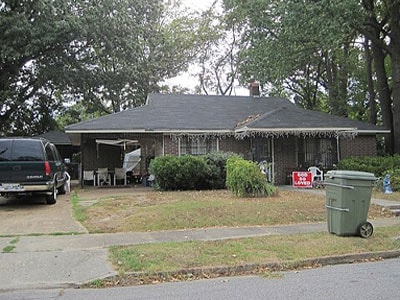
722 Lester Street, Memphis, TN
Photo Credit: WikipediaLester Street Massacre Survivors
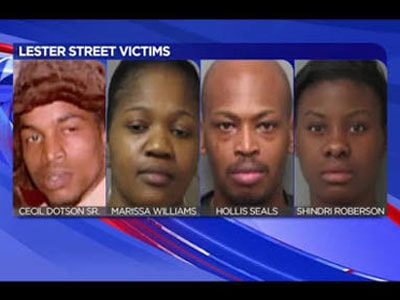
(L-R) Cecil Dotson, Marissa Williams, Hollis Seals, Shindri Roberson
Photo Credit: FacebookBut the officers soon made a remarkable discovery.
Three children were still alive.
Nine-year-old C.J., five-year-old Cedric, and their two-month-old sister, Ceniyah, had suffered devastating injuries but had survived for more than 24 hours before help arrived.
The four adults had been shot multiple times. The children had been attacked with knives and wooden boards found inside the home. Investigators also noticed details suggesting someone had attempted to manipulate the crime scene. Drugs had been placed on two of the adult victims, while shell casings from the shootings appeared to have been collected.
Initially, investigators considered whether the killings could have been connected to gang activity. But the answer to what happened inside the Lester Street home would ultimately come from one of the people the killer had left behind.
The three surviving children were rushed to the hospital, where they remained under police protection.
C.J., the oldest, suffered particularly horrific injuries. Yet despite everything he had endured, the nine-year-old was eventually able to communicate with investigators.
And C.J. knew who had attacked his family.
And it wasn’t a stranger.
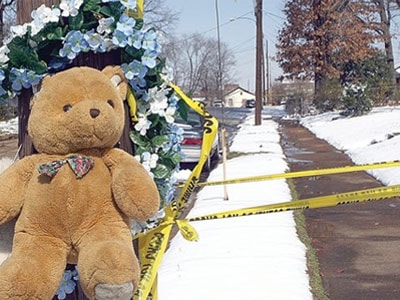
Memorial outside the Lester Street house
Photo Credit: Commercial AppealThe Man Inside the Family
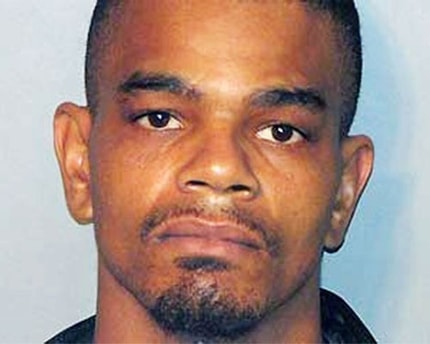
Jessie Dotson
Photo Credit: CBS NewsOn March 7, C.J. identified the perpetrator as his uncle, Jessie Dotson.
His identification dramatically changed the direction of the investigation. Police had already been in contact with Jessie as a member of the victims’ family. Now he was their primary suspect.
C.J. would later identify his uncle again during subsequent interviews and eventually testify against him in court.
The child Jessie allegedly attempted to silence would become one of the most important witnesses against him.
Jessie Dotson was Cecil’s older brother.
At the time of the murders, Jessie was 33 years old and had been out of prison for only months. He had previously been convicted of second-degree murder and served approximately 14 years before being released in August 2007. After his release, he lived with his sister and worked as a painter with his father.
On Saturday, March 1, Jessie went to Cecil’s house with family members to watch a televised University of Memphis basketball game. Later that night and into the early morning hours of March 2, Jessie and Cecil were together at the Lester Street home.
According to the prosecution’s case, an argument eventually erupted between the brothers.
That argument would end with nearly everyone inside the house dead or critically injured.
After police began focusing on Jessie, investigators brought him in for questioning. During the investigation, Jessie made incriminating statements to police and spoke with his mother about what had happened.
According to evidence later presented at trial, Jessie said the violence began during an argument with Cecil. After shooting his brother, he killed the other adults inside the house.
Then there were the children.
They had witnessed what happened.
Prosecutors argued that Jessie attacked them because he couldn’t leave witnesses behind. After already spending 14 years incarcerated for murder, he did not want to return to prison.
What Happened the Night of the Lester Street Massacre
During the early morning hours of March 2, 2008, prosecutors said Jessie shot Cecil multiple times before turning the gun on the other adults in the house.
Marissa Williams, Hollis Seals and Shindri Roberson were also shot and killed.
Jessie then turned his attention to Cecil’s five children.
Unlike the adults, the children were attacked with kitchen knives and wooden boards. Four-year-old Cemario and two-year-old Cecil II died from their injuries.
C.J., Cedric and infant Ceniyah survived.
Jessie apparently believed otherwise.
For more than a day, the injured children remained inside the house alongside their murdered family members before police finally arrived on March 3.
After his arrest, Jessie was charged with six counts of first-degree murder and three counts of attempted first-degree murder.
He later changed his story.
Jesse Dotson trial
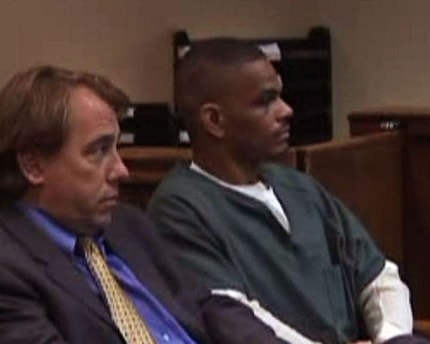
Jessie Dotson at his trial
Photo Credit: CBS NewsAt trial, Jessie denied committing the murders and recanted his earlier statements. He claimed he had been inside Cecil’s bedroom when other people entered the home and began shooting. Jessie testified that he hid beneath a bed and eventually left the house believing no one had survived. He said he didn’t contact police because, as a gang member, he did not report crimes to law enforcement and feared that his previous murder conviction would make him a suspect.
The jury didn’t believe him.
In October 2010, Jessie Dotson was convicted of six counts of premeditated first-degree murder and three counts of attempted first-degree murder.
For the six murders, the jury sentenced him to death six times. He was subsequently sentenced to an additional 40 years for each of the three attempted murders, with the sentences ordered to run consecutively.

Jessie Dotson
Photo Credit: WREG.comDotson appealed his convictions and sentences, but in 2014, the Tennessee Supreme Court unanimously upheld them. In its decision, the court described the murders and assaults committed inside the Lester Street home as among the most horrendous crimes ever committed in Tennessee.
The brutality of the Lester Street Massacre was enough to shock even a city that was already struggling with one of the highest violent-crime rates in the country.
But perhaps the most remarkable part of the case is that Jessie Dotson’s attempt to eliminate every witness failed.
Three children survived.
And ultimately, the nine-year-old nephew he tried to kill helped ensure that the man responsible for destroying his family was held accountable.
Feature Image: Action 5 News


