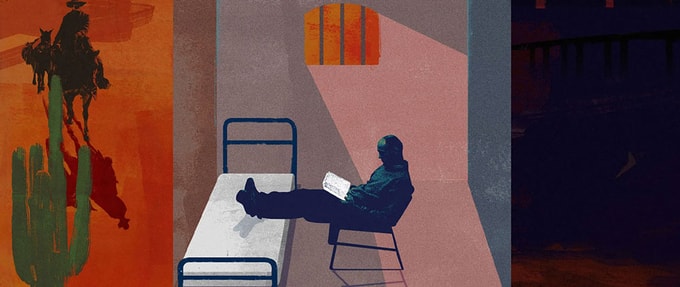

For some incarcerated people, prison became an unexpected setting for a new hobby: writing. Behind bars, these authors used their time to reflect on their pasts and explore questions of freedom, morality, and human nature.
Some drew on their firsthand experiences with incarceration to write novels and memoirs, while others began writing during their sentences, creating works that would go on to shape literary history.
From philosophical reflections written while awaiting execution to firsthand accounts of life in prison, these books demonstrate that compelling stories can come from the most unexpected of places. Here are the stories of authors who served time behind bars and the books connected to their experiences.

The Cater Street Hangman
Anne Perry, born Juliet Hulme, was a British mystery novelist best known for her historical detective fiction. Her debut novel, The Cater Street Hangman (1979), introduced inspector Thomas Pitt and Charlotte Ellison, the central characters of her long-running Victorian mystery series.
Long before becoming a bestselling author, however, Perry was convicted of murder in New Zealand at the age of fifteen. In 1954, she and her friend Pauline Parker killed Parker's mother, Honorah, in a case that became known as the Parker-Hulme murder.
Perry served five years in prison, then changed her name and eventually began a new life in the United Kingdom. The case later inspired the 1994 film Heavenly Creatures, directed by Peter Jackson.
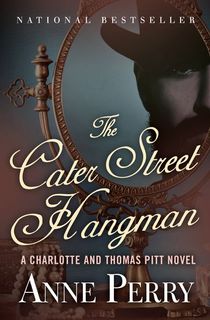
Junky: The Definitive Text of "Junk"
William S. Burroughs was an American novelist and a leading figure of the Beat Generation. His debut novel, Junky, was first published in 1953 under the pseudonym William Lee. It draws on his experiences with heroin addiction and drug dealing in postwar America.
Written while living in Mexico City, the novel follows Bill Lee, an addict navigating the world of narcotics, rehabilitation, and life on the margins of society.
Burroughs also had a troubled criminal history: in 1951, he fatally shot his wife, Joan Vollmer, during a drunken game in which he attempted to shoot a glass balanced on her head.
He later described the shooting as an accident and was briefly detained following the incident, though he avoided a lengthy prison sentence. The experience became a defining turning point in his life and writing career.

No Beast So Fierce
Edward Bunker spent much of his life in and out of prison, beginning with his first incarceration at age 14. While serving time at San Quentin State Prison, he was inspired to pursue writing after a fellow inmate snuggled in a magazine and shared an excerpt from his prison memoir.
Bunker eventually turned his own experiences behind bars into No Beast So Fierce, a crime novel about Max Dembo, a career criminal attempting to adjust to life outside prison after his release.
Drawing on Bunker's years in correctional institutions, the novel offers a gritty portrayal of Los Angeles's criminal underworld and the difficulties of rebuilding a life beyond incarceration.
Published in 1973, it was later adapted into the film Straight Time, starring Dustin Hoffman. Filmmaker Quentin Tarantino called it "the best first person crime novel I have ever read".

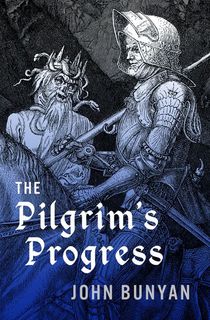
The Pilgrim's Progress
John Bunyan was an English writer and preacher best known for his Christian allegory The Pilgrim's Progress. In 1660, following the restoration of the English monarchy, Bunyan was arrested for holding unauthorized religious services outside the Church of England.
Refusing to stop preaching, he spent the next 12 years imprisoned in Bedfordshire County Jail, where he began writing his most famous work.
Published in 1678, The Pilgrim's Progress follows a man named Christian on his journey toward the Celestial City, encountering spiritual trials, temptations, and obstacles along the way.
Written largely during Bunyan's imprisonment, the allegory became one of the most influential works of English religious literature.
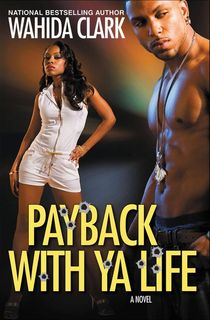
Payback With Ya Life
Wahida Clark is an American novelist known for her gritty urban fiction and street-style crime stories. She began writing while serving a federal prison sentence for money laundering, wire fraud, and mail fraud, completing Payback with Ya Life during her incarceration.
The novel follows Shan, a young woman caught in a dangerous conflict involving her brother and the drug trade.
Released in 2007 after serving nine and a half years, Clark went on to become a four-time New York Times bestselling author and founded her own independent publishing company.
Today, she also works as a motivational speaker and mentor, co-founding initiatives that support formerly incarcerated people and at-risk youth through education, life skills, and personal development.
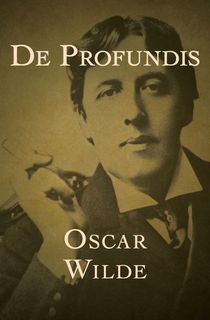
De Profundis
Oscar Wilde was an Irish author, playwright, and poet who became one of the most celebrated literary figures of the Victorian era. Best known for his novel The Picture of Dorian Gray and his play The Importance of Being Earnest, Wilde was recognized for his wit, social commentary, and distinctive literary style.
Written during his two-year prison sentence at Reading Gaol in England, De Profundis is a deeply personal letter reflecting on the events that led to his imprisonment.
In 1895, Wilde was convicted of gross indecency, a criminal charge used to prosecute homosexual relationships. Addressed to his former partner Douglas, the letter examines their troubled relationship, Wilde's own decisions, and the personal consequences of his downfall.
Moving between bitterness, regret, and spiritual reflection, the work offers an intimate account of Wilde's thoughts during one of the most difficult periods of his life.

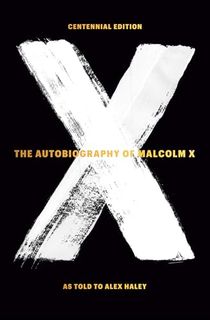
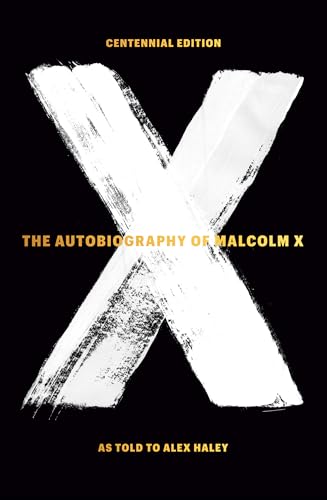
The Autobiography of Malcolm X
Malcolm X was an influential American civil rights leader and political activist whose life changed dramatically during his time in prison. In 1946, he was sentenced to 10 years for burglary and served approximately six and a half years before being paroled in 1952.
While incarcerated, he educated himself through extensive reading, embraced the teachings of the Nation of Islam, and adopted the name Malcolm X.
Co-written with journalist Alex Haley, The Autobiography of Malcolm X traces his journey from childhood to his transformation into a prominent Black Muslim leader and activist.
Published shortly after his assassination in 1965, the book offers a firsthand account of the experiences that shaped his life and beliefs.

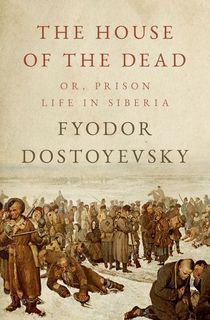
The House of the Dead
Fyodor Dostoyevsky was a Russian novelist and philosopher whose works explored the complexities of human nature and morality. In 1849, he was arrested for his involvement with the Petrashevsky Circle, a group accused of spreading subversive ideas.
Initially sentenced to death, he received a last-minute reprieve and was instead sent to a Siberian forced-labor camp, where he spent four years.
Drawing on this experience, Dostoyevsky wrote The House of the Dead, a semi-autobiographical novel depicting the harsh realities of prison life through the eyes of a fictional inmate.
Published between 1860 and 1862, it offers an intimate portrait of the convicts, routines, and psychological toll of incarceration.

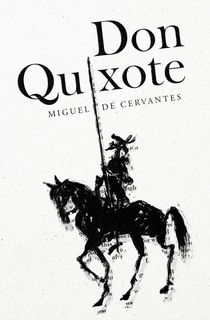
Don Quixote
Miguel de Cervantes was a Spanish writer widely regarded as one of the greatest authors in the Spanish language. While working as a tax collector, he was imprisoned in 1597 following the collapse of a bank where he had deposited government funds, leading to accusations of financial misconduct.
During this period of incarceration, Cervantes reportedly began working on Don Quixote, the novel that would establish his literary legacy.
First published in 1605, the story follows an aging man who becomes obsessed with tales of chivalry and sets out as a self-proclaimed knight, accompanied by his loyal squire, Sancho Panza. Widely considered one of the first modern novels, the work remains a landmark of world literature.

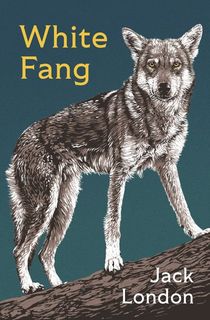
White Fang
Jack London was an American novelist and journalist best known for The Call of the Wild and White Fang. At 18, while traveling across the country by freight train and living as a vagabond, London was arrested for vagrancy in Niagara Falls, New York, in 1894.
With no fixed address or means of support, he was sentenced to 30 days in the Erie County Penitentiary.
The experience profoundly influenced his views on poverty, social inequality, and the treatment of marginalized people, later contributing to his interest in socialism. Published in 1906, White Fang follows a wolf-dog hybrid's journey from the wilderness of the Yukon to domestication and civilization.

Moll Flanders

Daniel Defoe was an English writer and journalist best known for his novel Robinson Crusoe. His life was marked by financial troubles and repeated imprisonment, including time in debtors' prison in the 1690s.
In 1703, he was arrested again for publishing The Shortest Way with the Dissenters, a satirical pamphlet criticizing religious intolerance.
Convicted of seditious libel, Defoe spent approximately six months in Newgate Prison. Published in 1722, Moll Flanders follows a woman born into poverty who survives through a series of marriages, affairs, and criminal exploits, eventually seeking redemption.
The novel explores survival, social class, morality, and the consequences of a life lived outside society's expectations.
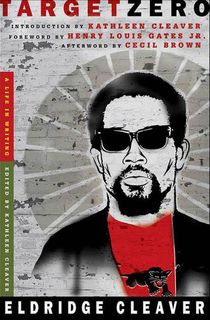
Target Zero
Eldridge Cleaver was an American writer and political activist who served as the Minister of Information for the Black Panther Party. In 1958, he was convicted of assault and attempted murder and spent time in Folsom and San Quentin State Prisons before being paroled in 1966.
During his incarceration at San Quentin, Cleaver wrote many of the essays that became Soul on Ice (1968), a collection examining race, politics, identity, and his experiences in prison. Target Zero brings together previously unpublished essays, stories, letters, interviews, and poems, tracing Cleaver's life from his childhood and years behind bars to his political activism and later exile.
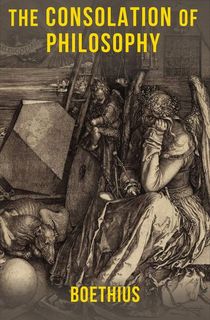
The Consolation of Philosophy
Boethius was a Roman philosopher and statesman who fell from political favor under the Ostrogothic King Theodoric the Great. Accused of treason, he was imprisoned around 523 AD and eventually sentenced to death. While awaiting execution, Boethius wrote The Consolation of Philosophy, a philosophical dialogue between himself and a personified female figure, Lady Philosophy.
Reflecting on his sudden fall from power, the work explores the nature of happiness, justice, free will, and why suffering exists in a world governed by God. Written during the final year of his life, it became one of the most influential philosophical works of the Middle Ages.


