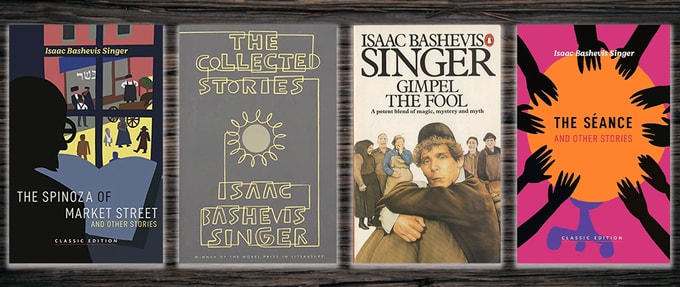

Issac Bashevis Singer isn’t synonymous with the horror genre, yet his fiction straddles a unique space of Jewish folklore and ritualism and explores a world of post-Holocaust trauma that falls into a different perspective of what is horror or horrifying.
Singer’s fiction paints for readers bleak yet beautiful landscapes of Jewish life before and after the Holocaust while simultaneously intertwining an undercurrent of cold, harsh realities faced by his characters.
They grapple with topics that are conspicuously existential in nature: a grayness or nihilism of faith; apocalyptic visions that plague rabbis; and cynical demons who find themselves in doubt of their purpose on this earth. His work examines the human condition in its most fragile, vulnerable state.
Terror is expressed in many ways throughout the horror genre. While Singer may not have considered himself one who dabbled in the supernatural, the strange, or the weird his fiction certainty possess many of those qualities. Among the hundreds of published written works during his lifetime, Yentl and the Yeshiva Boy is arguably one of Singer’s most recognized works.
Though it is difficult to select what is truly the best, I’ve compiled ten stories that, in this author’s opinion, embody the supernatural, bizarre, and strangeness of Singer’s horror-adjacent fiction.
“The Gentleman from Cracow”
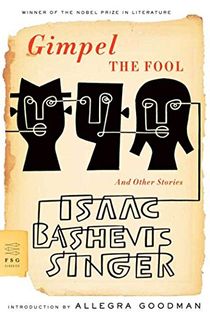
Gimpel the Fool: And Other Stories (FSG Classics)
“The Gentleman from Cracow” tells a tale about a mysterious stranger whose refined manners and apparent generosity mask his darker, more unsettling nature.
As the story unfolds, Singer exposes the dangers of judging virtue by appearances, blending Jewish folklore, irony, and spiritual unease to explore temptation and moral blindness.
“The Spinoza of Market Street”
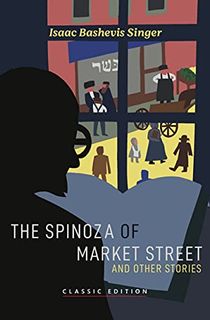
The Spinoza of Market Street: and Other Stories (Isaac Bashevis Singer: Classic Editions)
“The Spinoza of Market Street” follows an aging, somewhat dejected scholar in Warsaw who devotes his life to philosophy and intellectual purity while remaining detached from ordinary human experiences.
When he briefly steps outside his rigid ideals and routines, the story sharply examines the tension between reason, desire, solitude and connection and adjacent horrors of isolation.
"The Letter Writer"
The Seance and Other Stories
"The Letter Writer" centers on a lonely Jewish immigrant in New York whose main link to the world is some correspondence with someone he has never met.
When that connection seems to break, the story reveals the true fear of isolation and fragile hope that someone, somewhere, is listening, even if no one can hear you.
“The Last Demon”
The Last Demon
"The Last Demon" is narrated by a demon who believes himself to be the final survivor of his kind in a world that has grown skeptical and faithless. Speaking with bitterness and dark humor, he reflects on humanity’s loss of belief, suggesting that evil may no longer need demons to thrive.
“Gimpel the Fool”
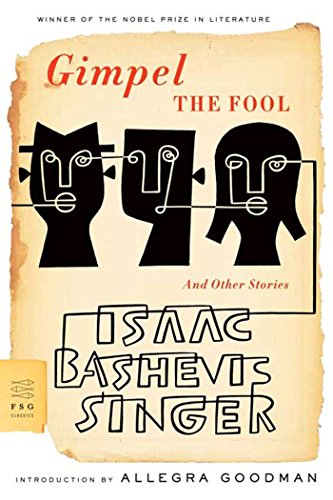
Gimpel the Fool: And Other Stories (FSG Classics)
"Gimpel the Fool" follows a kind, trusting man who is mocked and deceived by nearly everyone around him, yet refuses to respond with cruelty or bitterness towards their constant jabs.
What looks like folly gradually reveals itself as a strength, raising questions about faith, truth, and what it really means to be wise.
“The Slaughterer”
The Seance and Other Stories
“The Slaughterer” tells the story of a gentle, devout man whose job as a ritual slaughterer slowly overwhelms his conscience.
As his sensitivity clashes with the violence required of him, the story becomes a stark meditation on faith, guilt, and the limits, or even horrors, of moral fortitude.
“Moon and Madness”
The Collected Stories of Isaac Bashevis Singer
"Moon and Madness" explores how obsession, superstition, and desire quietly slip into madness in the lives of ordinary people. Blending psychological tension with Jewish folklore and superstition, the story shows how thin the line can be between faith, fixation, and self-deception.
"Escape from Civilization"
The Collected Stories of Isaac Bashevis Singer
"Escape from Civilization" reflects on the narrator’s deep mistrust of modern society and its promises of progress. Through a skeptical, often ironic voice, the piece questions whether civilization truly improves human life or simply distances people from meaning, faith, and moral responsibility.
"Brother Beetle"
The Collected Stories of Isaac Bashevis Singer
“Brother Beetle” centers on a Jewish man in Israel who unexpectedly encounters a woman he once loved in prewar Poland.
Their awkward reunion stirs guilt, longing, and unresolved moral debts, as Singer quietly probes how the darkness of the past continues to intrude on lives shaped by survival and loss.
“The Cabalist of East Broadway”
A Crown of Feathers: Stories
“The Cabalist of East Broadway” portrays a reclusive mystic living in New York’s Lower East Side who believes he can reach higher spiritual truths through Kabbalah.
As his visions collide with everyday reality, the story quietly questions whether transcendence offers wisdom or simply another form of escape from human responsibility.

Featured image: Joshua Bartell / Unsplash


