Horror has been a staple in movies for almost as long as there have been movies. Over the course of several decades, we’ve gotten horror movies that were flat out great movies, regardless of genre, like Jaws. We’ve gotten horror classics that have stood the test of time and we’ve been enjoying great horror our whole lives.
2026 was a banner year for the genre. Huge films like Obsession, Backrooms, and Resident Evil gave horror fans a lot to enjoy. Lesser seen films like Hokum, Buddy, and Passengers added depth. Horror seemed to be the one genre where television could not compete with film. There are tons of great shows in the action, romance, science fiction, and comedy genres.
Making a horror television show is a tall task. Horror movies typically keep you on the edge of your seat, gripping the armrests in fear, for most of the duration of the film. That run time is often ninety to one hundred minutes. There are exceptions but even long horror films are barely over two hours.
At some point this all changed. In 2026, it’s not uncommon to get a really good horror series that is well made, well written, and scary. It didn’t happen overnight though. The origin of this wave can be traced back to 2010 when The Walking Dead hit the mainstream. Then a year later we got the first season of American Horror Story.
Over the last decade horror TV has enjoyed a creative surge. In 2018 we got Castle Rock, which had its moments but didn’t totally work, and Netflix’s The Haunting of Hill House. It can be argued the latter series triggered this surge in horror TV. Its creator, Mike Flanagan, has had several more hit horror series for the streamer since then.
What allowed The Haunting of Hill House to be so successful, where horror series in the past failed, was how they used the extended screen time. They started with a deep roster of important characters.
Then they took the time to fully develop each of them, while exploring how they all play into the main storyline of the show. The show also opted for a more disturbing and unsettling type of horror throughout most of the show, saving jump scares and edge-of-your-seat thrills for pivotal moments and the finale.
It was paced and structured so well that the audience never got bored or worn out from trying to be too scary for too long. It’s a balancing act that few horror series have ever been able to achieve.
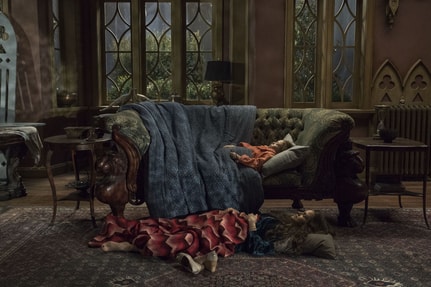

The Haunting of Hill House
Photo Credit: NetflixSince then, Flanagan has launched The Haunting of Bly Manor, Midnight Mass, and The Fall of the House of Usher, all to varying degrees of success. While none quite reached the highs of Hill House, there was something to love, and fear, about each of them. It’s safe to say the prolific creator helped create the blueprint for horror TV.
Over the years since The Haunting of Hill House we’ve had other entries in the horror TV genre, some worked and some didn’t. The ones that didn’t are equally important. They allowed creators to create, refine the medium, and iterate on those that came before.
Shows like From and Castle Rock, while deeply flawed and not very successful, contained elements that have been adopted by subsequent shows. This style of horror TV was improved upon by IT: Welcome to Derry.
There have been several shows that combine elements of horror with other genres to great effect. Yellowjackets is a show that does this incredibly well. Its scary moments are terrifying. And when it’s not in horror mode, it’s fully committed to whatever it’s doing. That is the key to taking this approach.
Perhaps no show has done this better than Stranger Things. The Netflix series has done more to advance the genre than any other show over its ten year, five season run. It did so with monsters, possessions, and sinister corporate entities. However it packaged it in fun, eighties nostalgia.
This year, we have gotten two series that were based on classic horror films. The aforementioned Mike Flanagan gave us Carrie, based on the 1976 Brian De Palma film. The other was Peacock’s Crystal Lake, based on the beloved Friday the 13th franchise.
These two shows worked so well for similar reasons to phenomenal horror films. They centered iconic performances and built around them with outstanding supporting casts.
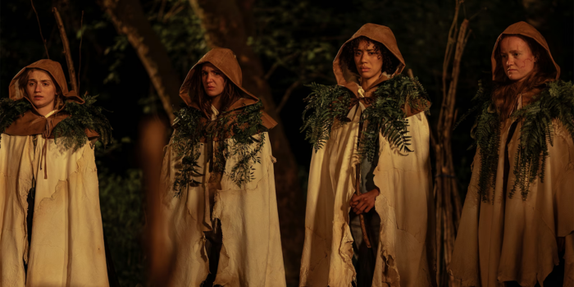
Yellowjackets TV Series
Photo Credit: Lionsgate TelevisionCarrie’s Summer H. Howell gave a star-making performance as the titular character. This marked a turning point in horror TV because so much of its success hinged on Howell’s performance. Crystal Lake’s Linda Cardellini was in a similar situation.
The show lived and died by her performance. It took a ninety-minute slasher and turned it into an eight-episode character study as Pamela Voorhees was driven insane. Both were instantly classic horror texts, and both had no business working as well as they did.
As great as many of the shows mentioned have been, it begs the question: Has horror TV caught up to its film counterpart?
Only time will tell.


